
The Etymology of Culinary
The practical meaning ascribed to the association of the word “culinary” is used with the Proto-Indo-European root *pekw-, meaning “to cook, ripen.” The term leading up from botanical observations of ripening was derived from sightseeing around nature. It is formed in the sense of depicting revelational sequences, posed to ripening plant life, indicating new cuts from its sequential design. Each interim is an illuminative concept intricately based on conversion and transformation, suitable for something different to happen. It might form all or part of: apricot; biscuit; charcuterie; concoct; concoction; cook; cuisine; culinary; decoct; decoction; drupe; dyspepsia; dyspeptic; eupeptic; kiln; kitchen; peptic; peptide; peptone; precocious; pumpkin; ricotta; terra-cotta.
From the dictionary of etymology, the root word, *pekw-, might also be the source of: Sanskrit pakvah “cooked, ripe;” Avestan -paka- “cooked;” Greek peptein “to cook, ripen, digest,” pepon “ripe;” Latin coquere “to cook, prepare food, ripen, digest, and most interestingly, turn over in the mind,” Oscan popina “kitchen;” Lithuanian kepti “to bake, roast;” Old Church Slavonic pecenu “roasted;” Welsh poeth “cooked, baked, hot.” Each description is posed to a verbal adjective or noun accounted for actual procedures in development of the object of the word. The terms generate a transformative proposition that correlates to phenomenal change in order of its appearance.
Culinary And Its Association With Cutlery
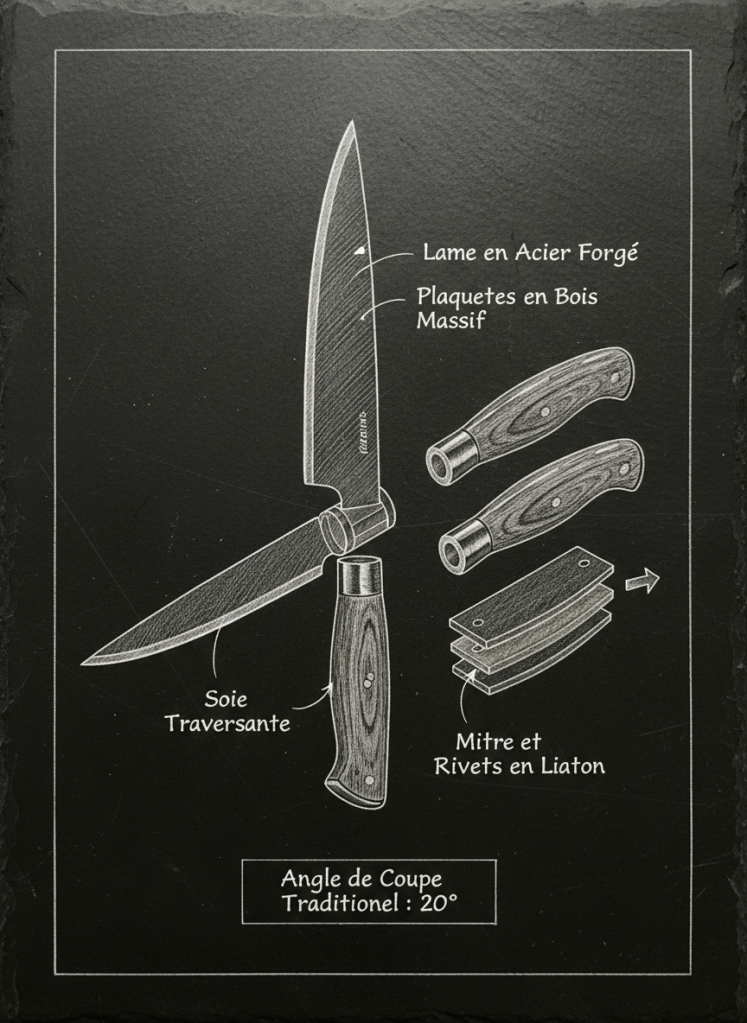
Based on the concept of ripening, cooked, or “to turn over in the mind”, each phase is based on the object’s next illuminative sequence. From a culinary perspective, illustrating those phases can be compared to a craft when using a knife. It is an artifact portrayed as the origin of the object being designed. Knives, on a wide spectrum, are defined as a type of cutlery, and are commonly used in the kitchen for performing cuts.
Cutlery, in terms of intricacy, has various effects. It consists of parts that describe the purpose of a knife. Its meaning is derived from spiritual content and is used ritualistically to sustain the importance of its use. Knives symbolize power, strength, courage, protection, and transition. It is an excellent artifact that can assist with illustrating the intricacy of nature.
Types of Cutlery
Cutlery, under the category of knives, are a type of artifact. It is used for the practice associated with certain techniques involving conversion and transformation. Knives resemble the craft it performs and are carefully designed for practical use. It is assembled with actual material that indicate a long-lasting effect and are used with material that are worthy of performance.
List of Cutlery
- Chef Knife
- Paring Knife
- Tourné Knife
- Cleaver
- Fillet Knife
- Utility Knife
- Boning Knife
- Slicer

Cutting Styles
In order to begin the craft of cutting it is best to be familiar with the techniques used for the art. The methods consist of expressions that help to animate the idea of conversion and transformation. The basic knife cuts include:
- Chopping
- Chiffonade
- Dicing
- Lozenge
- Mincing
- Julienne
- Batonnet
- Paysanne
- Rondelle

 Crescent Passover